Savannah Walters
Memorial Foundation
A Childhood Cancer Foundation Benefiting Affected Families
Established 2022
FEEL THE MISSION
Why Our Cancer Foundation Provides Financial Aid
Our mission is rooted in Savannah’s own story. As a family, we know the weight of walking through a child’s illness. The sleepless nights, the endless appointments, and the overwhelming financial strain. In the midst of our struggle, we were lifted by the kindness and generosity of others, and it is from that place of gratitude that the Savannah Walters Memorial Foundation was born. We exist to ease the burden for families in need, offering financial assistance so they can focus on what matters most: loving and caring for their child. Every act of giving keeps Savannah’s dream alive—that no family should ever face this journey alone.
SEE THE VISION
How Our Cancer Foundation Provides Peace of Mind
Our vision is to see hope shine brighter than hardship. Through the Savannah Walters Memorial Foundation, we dream of a future where every family facing illness feels surrounded by love, supported in their needs, and reminded that they are not alone. Savannah’s spirit inspires us to believe in better days—that every child has the chance to laugh, to dream, and to live without being held back by financial struggle. We look forward with joy, carrying her legacy into a world where compassion makes healing possible.
Arkansas Childhood Cancer Foundation
Every Cancer Foundation Has a Origin, here is ours.
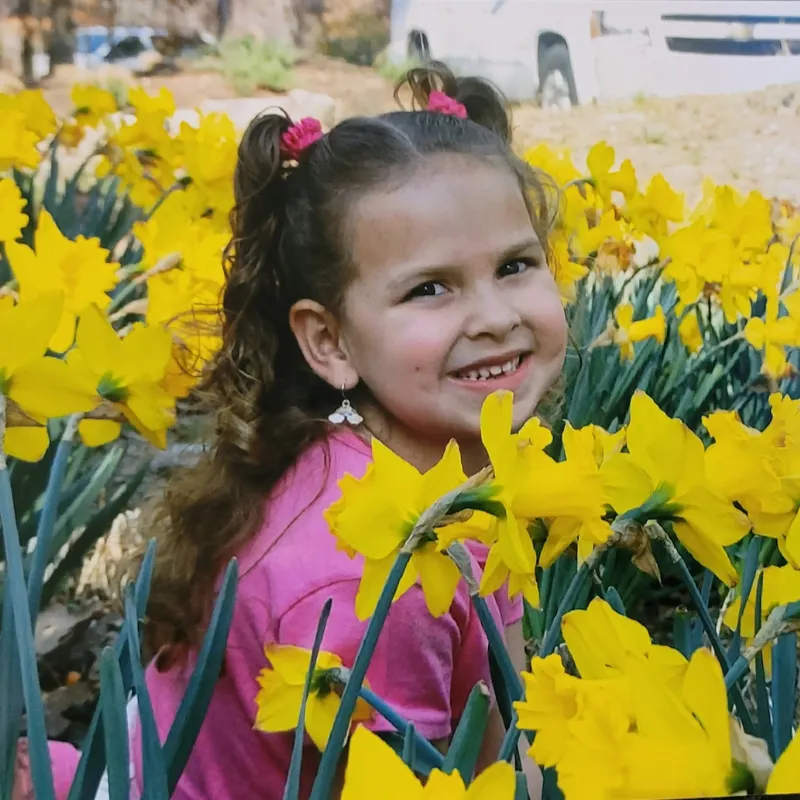
Savannah Kassandra Walters came into this world on Friday, August 17, 2001, full of life and light. As a little girl, she was all things sweet and girly—tea parties, Barbies, dress-up, and dollhouses filled her days. As she grew, her happiest moments were near the water; the lake and the ocean became her sanctuary, and almost every family vacation found her toes in the sand. At 17, Savannah was the picture of a carefree, fun-loving teenager—outgoing, joyful, and full of dreams. That all changed on January 10, 2019, when she was diagnosed with anaplastic large cell lymphoma, a rare and aggressive form of Non-Hodgkin’s Lymphoma. In an instant, her world was turned upside down, and school was no longer an option. Surrounded by her family and friends, Savannah bravely fought until the Lord called her home on Saturday, November 30, 2019, at 12:38 p.m.
Help Us, Help Others
Savannah’s heart was bigger than her suffering. She carried a wish that no child would ever have to endure what she went through. The Savannah Walters Memorial Foundation was born from that dream—to honor her memory by helping children and families facing the unthinkable. Through this work, Savannah’s love continues to live on, bringing hope, support, and comfort to others. This is more than her story, it is Savannah’s Dream.”
THe Impact
Your Donations
Your donation goes directly toward carrying on Savannah’s dream—helping families facing the unimaginable weight of childhood cancer. Every gift provides financial relief so parents can stay by their child’s side without the fear of losing their home, utilities, or the ability to meet everyday needs. You’re not just giving money—you’re giving peace of mind, time together, and the hope that no family has to walk this journey alone. With your support, we can continue bringing love, strength, and tangible help to those who need it most.
Childhood Cancer Stats
Childhood cancer research is consistently underfunded. Although cancer in children and adolescents is considered rare, it remains the leading cause of death by disease past infancy among children in the United States. Every single day, 47 children are diagnosed with cancer, totaling more than 10,500 children between the ages of 0 and 14 each year. Tragically, this results in the loss of about 1,200 children annually. Among adolescents ages 15 to 19, approximately 5,100 will be diagnosed each year, and around 600 will lose their lives to the disease.
More on Cancer Stats
Childhood cancer treatments often involve surgery, radiation, or chemotherapy, with some cases requiring stem cell transplants. While newer options like targeted therapies and immunotherapy are offering hope, progress is painfully slow—only 8% of federal cancer research funding is directed toward pediatric cancers. Many treatments used today were first approved more than 30 years ago, and children typically wait over six years longer than adults to access clinical trials. This reality makes awareness & advocacy urgent.